The Word Godspeed and the Lexicon of Farewell in Streetwear Identity
Streetwear has consistently relied on words that hold significance beyond their word size, much like every era of apparel pulls its vocabulary from the past. Godspeed is one of those words. It persists on tags, across chestprints, and inside brand names exactly because it carries centuries of significance inside four syllables. When a label chooses a word like this, it is not decoration. It functions as a message about what the garment is intended to voice when the person can’t.
This piece looks at where the word traces back to, what it means today, and why a brand centered on farewell, safeguarding, and momentum connects with people browsing for a godspeed shirt or a godspeed hoodie in 2026. Along the way we’ll separate the myth from the actual word history and look at how different clothing categories carry that meaning.
Breaking Down the True Meaning of Godspeed
What godspeed signifies has its roots in Middle English, specifically the phrase “God spede you,” which literally translates to “may God prosper you.” Speed in this earlier sense had no relation to velocity. It meant success, fortune, or a positive result. So when someone said godspeed to a traveler in the 1300s, they weren’t wishing them a fast trip — they were wishing them a successful one.
As time passed the phrase compressed into a single word and changed meaning. By the 16th and 17th centuries, English sailors and soldiers employed it as a send-off before risky expeditions or battles. It carried an undertone that the person leaving could fail to come back, so the blessing carried genuine weight. Four hundred years on, that weight is exactly why the word still hits hard.
In modern usage, what is godspeed to most people is a parting expression set aside for departures that matter — not a casual “see you later” but something closer to “I hope this goes well and I hope you come back.” NASA used it before Mercury godspeed shirt and Apollo launches. Musicians use it in album titles and lyrics tied to loss or departure. That lineage — travel, risk, hope, return — is precisely the emotional ground that clothing brands are drawing on when they print the word across fabric.
Why the Word Fits a Clothing Brand
Clothing brands win out when their name or message does more than label an item; it has to communicate an attitude the wearer wants to project. God speed clothing occupies a specific lane: it speaks to resilience, motion, and understated defiance in the face of unpredictability. That’s a different emotional tone than a slogan centered on aggression or status signaling. Introspection comes first here, aspiration second.
On top of that, there’s a design-related perk. The word godspeed has strong typographic bones — it reads well stacked, arched, or run in a single line across a chest or back panel. Creatives working within streetwear and gothic-leaning styles gravitate toward words that evoke an old-world feel because they photograph well against worn-in fabric, roomy silhouettes, and monochrome color schemes.
Past the visual surface, the word functions as a storytelling device for a complete apparel range. A given lineup might examine motifs such as departure, protective talismans, highway-themed symbols, or memorial-style graphics, and the term godspeed itself ties all of it together without needing an explicit tag. Customers pick up on that cohesion even if they can’t articulate it — the garments read as part of a single unfolding tale.
Godspeed Shirts vs. Godspeed Hoodies: Figuring Out Where the Message Lands Best
The choice of garment shifts how the message comes across, with godspeed-branded pieces are no exception. The godspeed shirt tends to work as a standout item — more lightweight, more visible, frequently worn during hotter seasons or layered under jackets where the design shows through. The godspeed hoodie carries more physical presence; the hood on its own holds a deeper significance, suggesting movement, concealment, and shelter, which pairs naturally with the name’s associations with danger and safe travel.
The way the graphic reads is also shaped by silhouette along with fabric weight. Thicker cotton hoodies retain ink as well as puff prints more effectively, granting bold typography more texture. Lighter shirt fabrics suit delicate-line or faded, vintage-style graphics, and these feel more like a faded blessing than a bold declaration. Neither option is inherently “better” — they just serve different functions depending on the outfit.
What follows is a side-by-side look of how these two clothing categories tend to work within a godspeed collection, drawing on prevailing design and usage habits found throughout streetwear collections in 2026.
| Attribute | Godspeed Shirt | Godspeed Hoodie |
|---|---|---|
| Everyday fabric weight | Featherweight cotton or cotton-blend jersey knit | A denser cotton blend backed with a fleece interior |
| ptimal season | Spring to the start of autumn, or for layering under other garments | Best worn in the colder months, or worn year-round in cooler climates |
| Print style that works best | Fine-line, distressed, orvintage-wash prints | Large-scale back graphics, stitched embellishment, or bold puff prints suit it best |
| Thematic focus | Emphasis on visibility, personal statement, and everyday wear | Protection, staying unseen, travel-themed imagery |
| Common way to wear it | Wear it under a jacket, or wear it by itself | Worn as an outer layer, hood up to make a statement |
Unpacking the Cultural Weight Within Departure-Inspired Streetwear
Street style culture has for years now used phrasing linked to the themes of dying, traveling, and surviving — skull icons, directional signs, and compass symbols, and now send-off terms like godspeed. This isn’t about shocking people. It captures a wider cultural mood where the youth market want garments that admit hardship without giving in to hopelessness. A godspeed tee isn’t saying “farewell for good.” Instead, it says “go, and come back.”
The reason the word has stuck around across military history, spaceflight, and apparel today comes down to that tension — optimism stacked on risk. It remains flexible enough to fit a soldier, an spacefarer, a friend moving across the country, or someone quietly getting through a rough stretch. Clothing brands that use the word are borrowing that flexibility rather than inventing new meaning from scratch.
A less obvious reason exists as well: parting words looks good in photos and on fabric precisely because it invites interpretation. Two people can wear the same godspeed hoodie and mean two different things by it — one could be remembering a friend who’s gone, while another is thinking of a fresh job in a new city. The garment holds space for both without demanding an explanation, which is part of why the aesthetic keeps expanding into 2026 collections rather than disappearing after just one season.
What Naming a Brand Godspeed Does for Identity
When a clothing line adopts Godspeed as its name rather than just using the word as an occasional print, it commits to a more complete storyline across every collection. Which means recurring motifs — paths, wings, protective emblems, worn-in lettering — start to feel intentional rather than random. Customers begin to expect a certain emotional register from every release, which cultivates allegiance faster than a purely trend-chasing label.
There’s confidence signaled, too, in naming a label after such an old word. It tells customers this isn’t a label pursuing a slang word that’ll seem outdated in eighteen months; its foundation is a word that has already endured four hundred years of changes in language. Such durability resonates with shoppers who are growing more wary of trend-driven labels constructed around short-lived online phrases.
This also opens space for sub-collections. A brand named Godspeed can put out a “departure” capsule, a “protection” capsule, or a “return” capsule, and every one of them still fits under the umbrella name. That’s harder to do with a more literal or narrow brand name. Rather than limiting things, the word’s natural ambiguity becomes a genuine design asset.
Selecting a Godspeed Item That Reflects Your Meaning
Not all godspeed shirts or hoodies carry the same message, so it helps to study the graphic and construction before making a purchase. A understated, compact wordmark on a simple shirt comes across as personal and low-key — a piece worn precisely because its meaning stays personal. A hoodie featuring a large back print in bold lettering reads as a visible declaration, meant to be seen and asked about.
How heavy the material is should match how the piece will really be worn. If it’s going to function as an topmost layer across fall and winter, a thicker fleece hoodie wears better through frequent use and laundering than a light shirt would. A mid-weight cotton shirt eliminates bulk entirely when it’s used as a layering piece for warmer months.
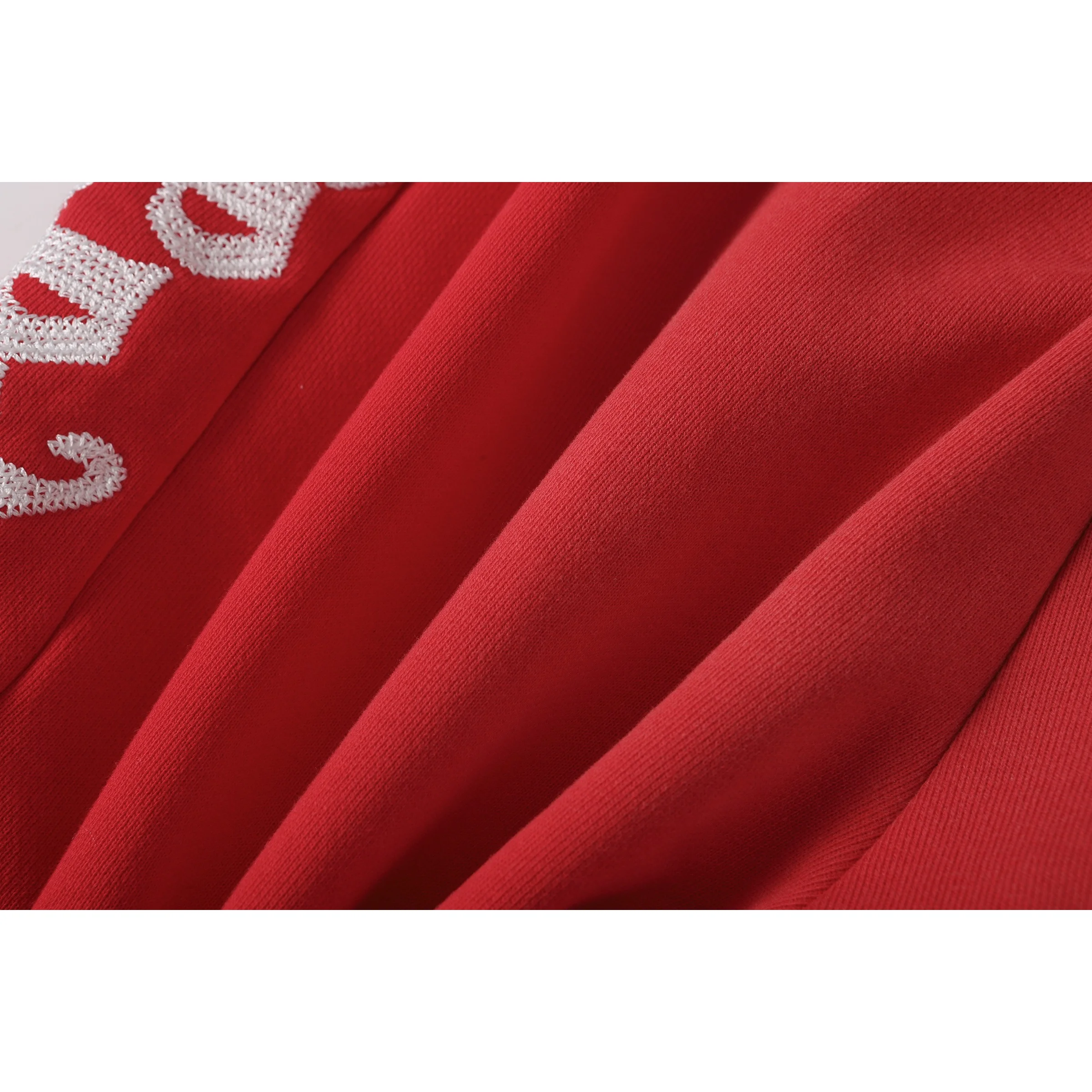
How well the design lasts is another factor, too. Because the word godspeed carries centuries of meaning rather than a single cultural moment, pieces built around it tend to age better than trend-specific graphics. That’s a practical reason, not just a sentimental one, to treat a godspeed hoodie or shirt as a long-term wardrobe piece rather than a single-season purchase heading into 2026 and beyond.